What are the advantages of DIY restoration?
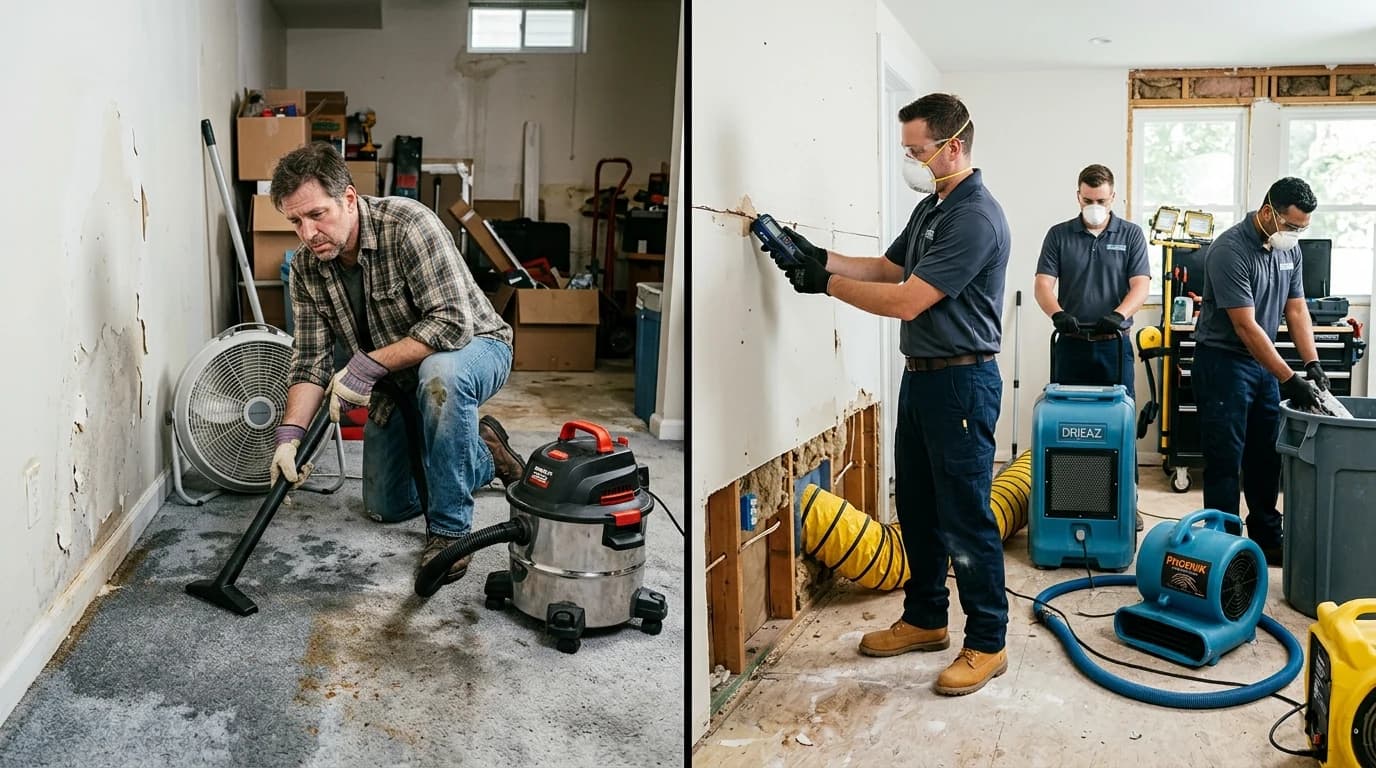
DIY water damage restoration can be cost-effective for minor issues like small leaks or surface moisture. Englewood homeowners can address immediate problems using readily available tools and materials such as wet/dry vacuums, fans, and dehumidifiers. For instance, if you notice a small leak under your sink, you can quickly shut off the water supply, dry the area, and replace any damaged parts. Additionally, DIY approaches allow for immediate action, preventing further deterioration while waiting for professional services. However, DIY restoration requires a commitment to learning and understanding the potential risks involved. Homeowners need to be cautious about mold growth, which can begin within 24 to 48 hours of water exposure. It's crucial to monitor the affected areas continuously to ensure all moisture is eliminated. Furthermore, DIY restorations can be physically demanding and time-consuming, particularly if you're dealing with a larger area than anticipated. Without proper knowledge of building materials and water damage intricacies, there's a risk of overlooking hidden damage, which could lead to more significant problems in the future.
When should you opt for professional services?
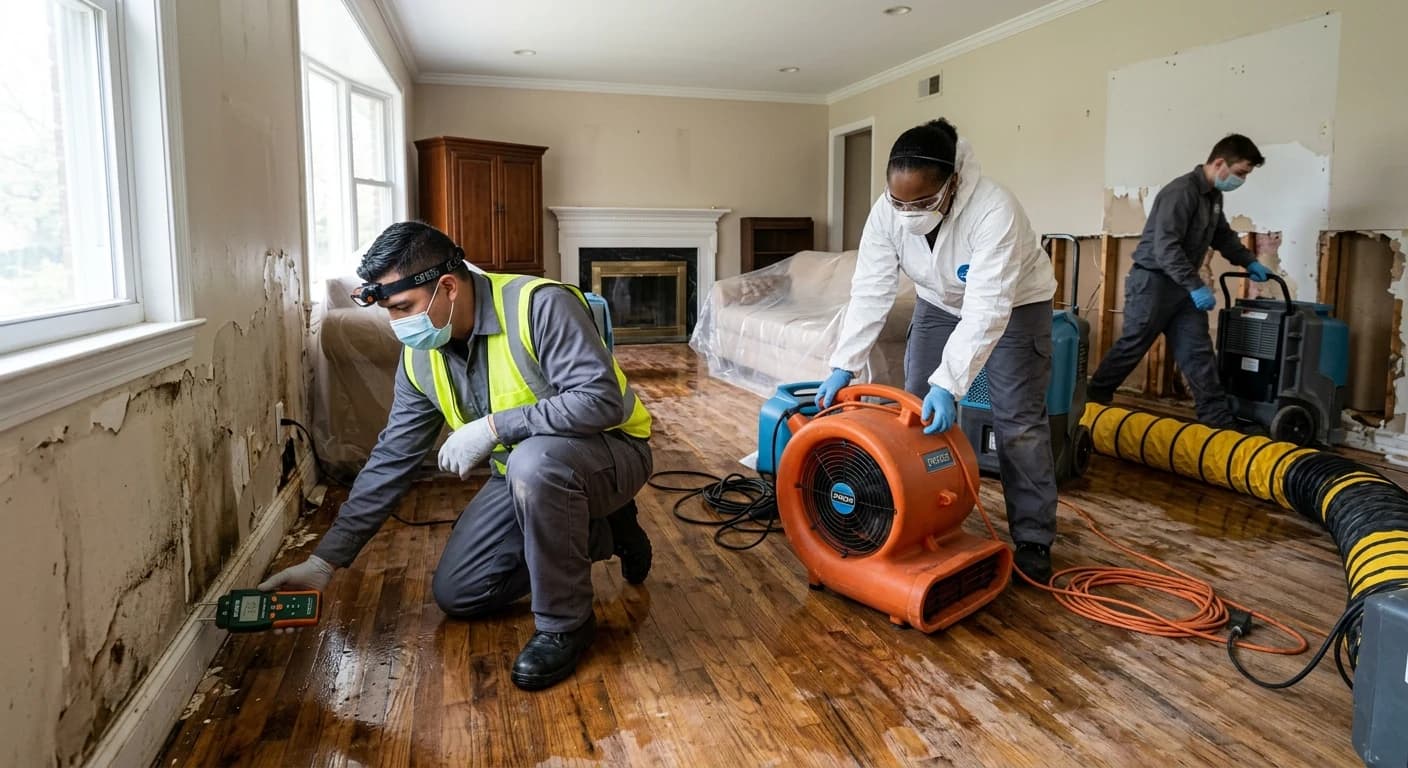
Professional restoration is advisable for extensive water damage, such as major floods or persistent mold problems. Experts have the necessary equipment and experience to ensure thorough cleaning and drying, crucial for preventing future issues. For example, professional teams use industrial-grade equipment like high-capacity dehumidifiers, air movers, and moisture meters to detect hidden water pockets behind walls and under floors. This technology allows for a more comprehensive approach that a DIY setup might not achieve. Additionally, professionals are adept at handling hazardous situations, such as sewage backups, which require specialized cleaning solutions and protective gear to ensure health and safety. Residents in NJ, particularly in flood-prone areas like Englewood, can benefit from the local expertise and resources of our professional team, who are familiar with regional weather patterns and building codes. Engaging professionals also means that the restoration process is often faster, reducing the time your home is disrupted. Moreover, professional services typically include a follow-up assessment to ensure that all issues are resolved and to prevent future water-related problems from arising.
How to decide which option is right for you?
Consider the extent of the damage, your budget, and your ability to manage restoration tasks. Evaluating the severity of the damage involves assessing not only visible water but also potential hidden moisture that could affect structural integrity. For severe or hidden damage, professional intervention is often the safer choice. Englewood homeowners seeking peace of mind should weigh the long-term benefits of expert restoration against the initial cost. For instance, while the upfront cost of hiring professionals might seem high, it can prevent costlier repairs in the future by ensuring all damage is thoroughly addressed. Additionally, insurance companies often prefer working with certified restoration professionals, which might make the claims process smoother. When considering a DIY approach, factor in your own availability and capability to handle the physical demands of water restoration. If you are unfamiliar with the process, the learning curve might be steep, potentially leading to mistakes that could exacerbate the damage. On the other hand, if you're dealing with minor issues and have the time and resources to manage them, DIY might be a feasible option. Ultimately, the decision should be based on a careful evaluation of the damage, potential risks, and your confidence in managing the restoration effectively.
Key Tools and Materials for DIY Water Damage Restoration
Embarking on a DIY water damage restoration project requires the right tools and materials to ensure effective results. Start with a high-quality wet/dry vacuum, which is essential for removing standing water quickly. A reliable set of fans and dehumidifiers will help accelerate the drying process and prevent mold growth. It's also wise to invest in a moisture meter to detect hidden dampness, especially in walls and floors, where moisture can linger unnoticed. Stock up on absorbent materials like towels and sponges for initial water removal, and consider using a squeegee for hard surfaces. For minor repairs, keep basic tools such as a screwdriver, pliers, and a utility knife on hand. Additionally, mold prevention products, such as antimicrobial sprays, can be crucial in treating surfaces exposed to water. Safety gear, including gloves and masks, is important to protect yourself from potential contaminants. Finally, if you're tackling more extensive damage, consider renting specialized equipment like air movers or industrial dehumidifiers. By equipping yourself with these tools, you can handle minor water damage effectively and minimize the risk of further complications.
Understanding Insurance Coverage for Water Damage
Navigating insurance coverage for water damage can be complex, but understanding your policy is crucial for financial protection. Most standard homeowner's insurance policies cover sudden and accidental water damage, such as burst pipes or appliance malfunctions. However, they typically exclude damage from floods, which requires separate flood insurance. Review your policy to understand the specific inclusions and exclusions. When water damage occurs, document everything meticulously—take photographs and keep records of any repairs or communication with your insurer. Promptly notify your insurance company to start the claims process, as delays can affect coverage. An adjuster will assess the damage, so be prepared to provide detailed information. In some cases, insurers may recommend using their network of preferred restoration professionals, which can streamline the process and ensure compliance with policy requirements. If you live in an area prone to water-related issues, like certain parts of NJ, consider discussing additional coverage options with your insurance agent. Understanding these aspects of your policy can help you make informed decisions and ensure you receive the necessary support during water damage restoration.
Common Mistakes to Avoid in DIY Water Damage Restoration
When tackling water damage restoration on your own, it's crucial to be aware of common pitfalls that can lead to further complications. One frequent mistake is underestimating the extent of the damage. Water can seep into walls, floors, and substructures, leading to hidden moisture that, if not properly addressed, can cause mold growth or structural damage. Using inadequate drying equipment is another common error. Household fans and dehumidifiers may not be powerful enough for significant water removal, so consider renting industrial-grade equipment if needed. Skipping protective gear is also a risk; always use gloves and masks to protect against contaminants and potential mold exposure. Additionally, neglecting to check for electrical hazards can be dangerous. Ensure that the power is turned off in affected areas to prevent shocks. Another mistake is not acting quickly enough. Water damage requires prompt attention to minimize the impact, so prioritize immediate action. Lastly, failing to document the damage for insurance purposes can complicate claims. Take photos and notes of all affected areas before starting repairs. By avoiding these common mistakes, you can enhance the effectiveness of your DIY efforts and reduce the risk of further issues.
The Role of Technology in Professional Water Damage Restoration
Professional water damage restoration services leverage advanced technology to deliver comprehensive and efficient solutions. One of the key tools used by experts is thermal imaging cameras, which help identify hidden moisture pockets that are not visible to the naked eye. These cameras allow technicians to pinpoint areas that require further inspection and drying, ensuring no moisture is left behind. Moisture meters are another essential piece of equipment, providing precise readings of moisture levels in various materials, from drywall to concrete. This data helps professionals determine the extent of drying needed and verify that affected areas are fully restored. High-capacity air movers and industrial dehumidifiers work in tandem to accelerate the drying process, reducing the risk of mold growth and structural damage. Additionally, some companies employ remote monitoring technology, which allows them to track the drying progress in real-time and make necessary adjustments without frequent site visits. This can be particularly beneficial for homeowners in NJ, where weather conditions can change rapidly. By utilizing these advanced tools, professional restoration teams can offer more thorough and reliable services, ensuring that your home is returned to its pre-damage condition efficiently and effectively.