Why is early detection important?
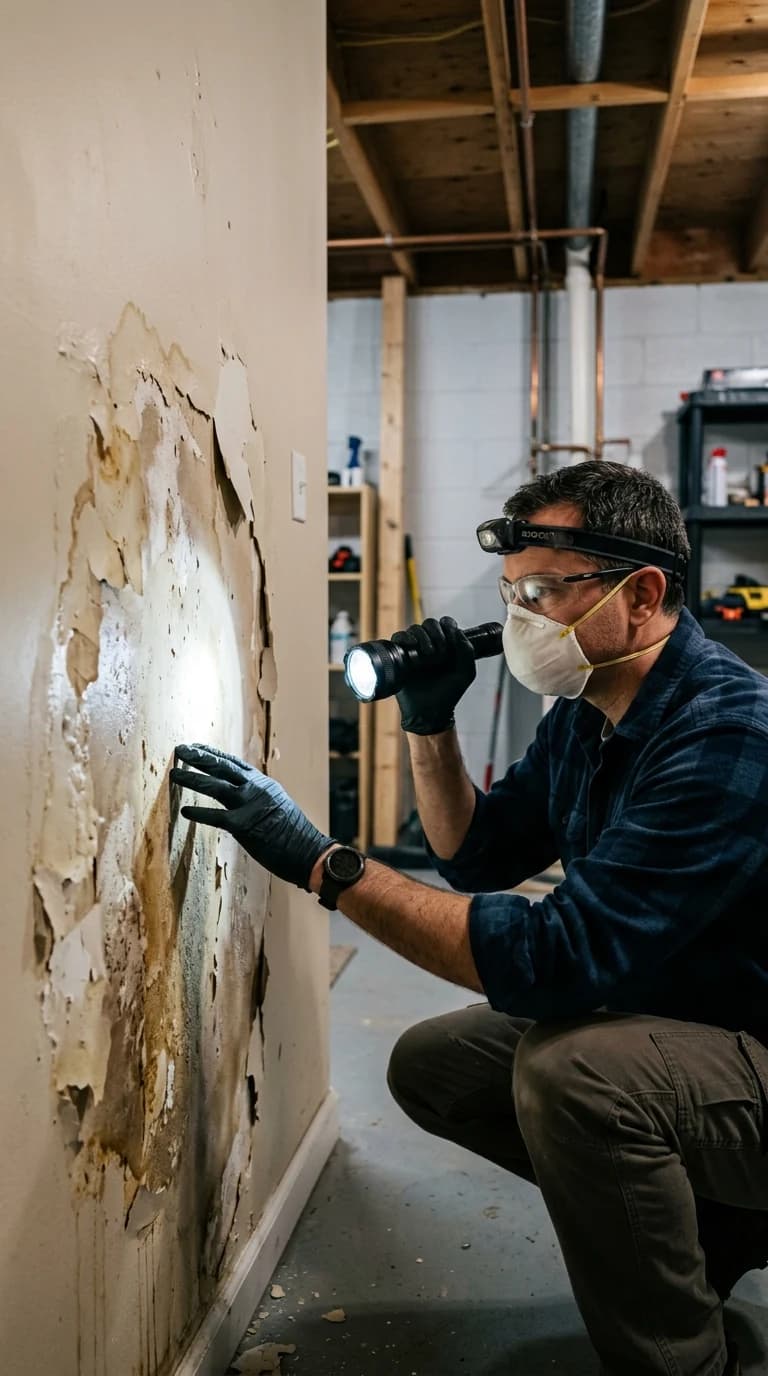
Early detection of water damage is crucial because it can prevent more severe structural issues and health hazards. Water damage can weaken the integrity of your home's foundation, leading to costly repairs if not addressed promptly. If you notice discoloration on walls or ceilings, it might indicate a hidden leak. These signs often precede more visible damage, such as sagging ceilings or bulging walls. Regularly checking these areas, especially after heavy rainfall in NJ, can help you spot issues early. In addition to structural concerns, water damage can lead to mold growth, which poses significant health risks, including respiratory issues and allergies. By identifying water damage early, you can address both structural and health concerns before they escalate.
What are the common signs to look for?
Common signs of water damage include musty odors, visible mold, peeling paint, and warped floors. Musty odors often indicate the presence of mold or mildew, which thrive in damp environments. Mold can appear as black, green, or white spots on walls, ceilings, or floors and can spread rapidly if not attended to. Peeling or bubbling paint is another indicator, as moisture causes paint to lose adhesion. Warped or buckling floors can result from prolonged exposure to moisture, which can also lead to structural damage if ignored. In Englewood, where humidity can exacerbate these issues, homeowners should be vigilant. Ensure you examine basements and attics where leaks might be less apparent. These areas are prone to water intrusion, especially during the rainy season or when snow melts. For more comprehensive inspections, consider contacting our services. Professional inspectors have the tools and expertise to identify less obvious signs of water damage, ensuring your home remains safe and sound.
How can technology assist in early detection?
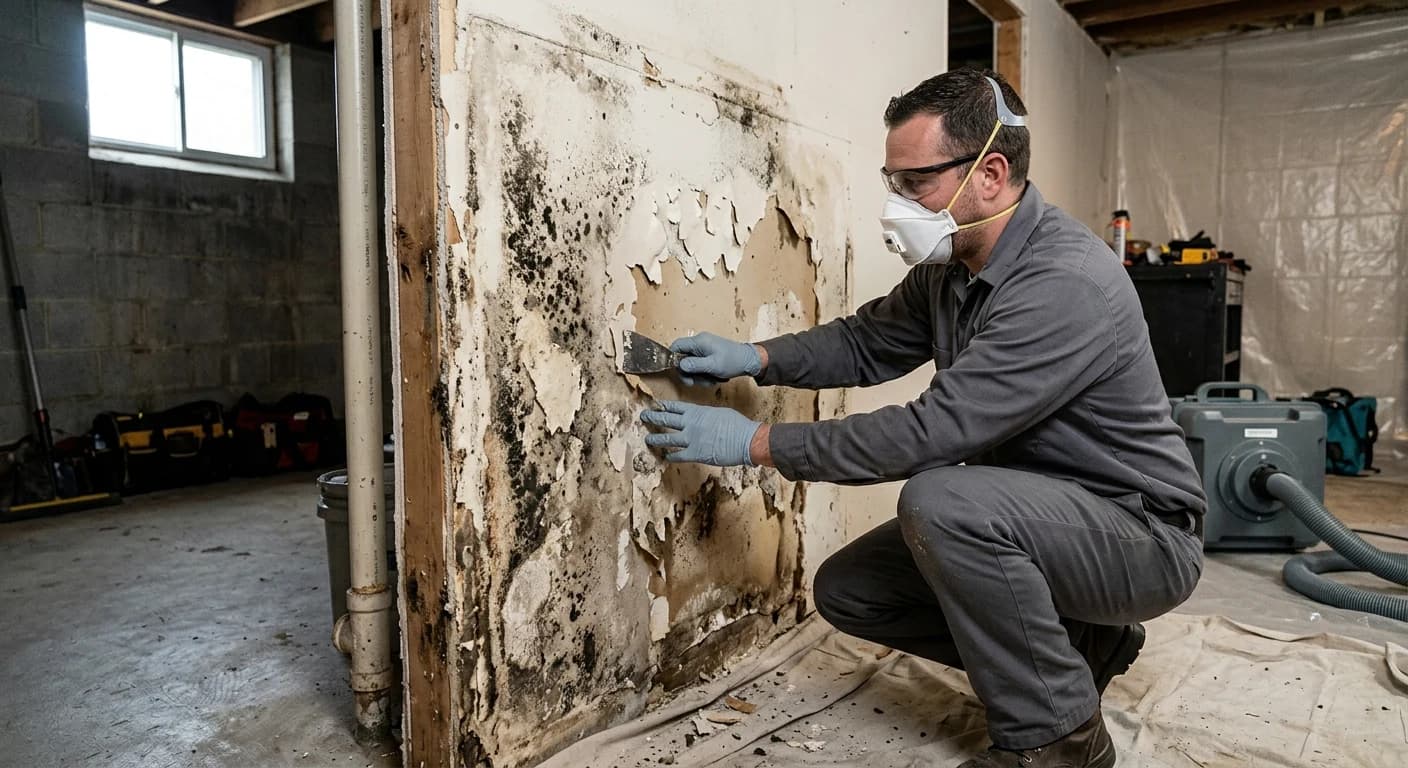
Today, smart home devices can aid in detecting water damage. Installing water sensors in vulnerable areas such as basements, under sinks, or near water heaters can alert you to leaks before they cause significant damage. These sensors typically connect to your smartphone, providing real-time alerts so you can take immediate action. This proactive approach is especially beneficial in preventing costly repairs and can be a lifesaver for Englewood residents during the rainy season. Additionally, infrared cameras can be used to detect moisture behind walls or ceilings, which is not visible to the naked eye. These cameras identify temperature variations that often indicate moisture presence. Smart thermostats and humidity monitors can also help maintain optimal indoor conditions, reducing the likelihood of condensation-related water damage. By integrating these technologies into your home, you can significantly reduce the risk of unnoticed water damage, protecting both your property and your peace of mind.
Preventative Measures to Avoid Water Damage
Taking proactive steps can significantly reduce the risk of water damage in your home. Start by ensuring proper drainage around your property. Gutters and downspouts should be clean and free of debris to direct rainwater away from your foundation. Regularly inspect your roof for missing or damaged shingles, as these can allow water to seep into your home. Inside, check for leaks under sinks and around appliances like dishwashers and washing machines. Installing water alarms in these areas can provide an early warning of leaks. It’s also wise to seal windows and doors properly to prevent water intrusion during storms. In the basement, use a dehumidifier to control moisture levels, especially in humid climates. Additionally, consider applying a waterproof sealant to basement walls and floors. Regular maintenance of your home’s plumbing system can also prevent unexpected leaks or bursts. By implementing these measures, you can minimize the risk of water damage and maintain a safe, dry living environment.
When to Call a Professional
While some water damage can be managed with DIY solutions, there are situations where professional help is necessary. If you detect extensive mold growth, it’s crucial to contact a mold remediation specialist, as improper handling can exacerbate the issue and pose health risks. Similarly, if you notice significant structural damage, such as sagging ceilings or rotting wood, a professional restoration service should be consulted immediately. These experts have the tools and expertise to assess and repair damage effectively. In cases of sewage leaks or flooding, professional intervention is essential due to the health hazards posed by contaminated water. Additionally, if you suspect hidden leaks behind walls or under floors, hiring a professional with specialized equipment, like infrared cameras, can help identify and address the source without unnecessary demolition. In Englewood and similar areas, where weather conditions can be unpredictable, having a reliable restoration service on speed dial can provide peace of mind and ensure timely intervention when needed.
Understanding the Costs of Water Damage Restoration
Water damage restoration can be a costly endeavor, but understanding the potential expenses can help homeowners make informed decisions. The cost largely depends on the extent of the damage and the area affected. For instance, minor leaks that are caught early might only require simple repairs, such as replacing a section of drywall or repainting. However, extensive water damage, particularly in areas like basements or attics, can involve more comprehensive restoration efforts, including mold remediation, structural repairs, and even electrical rewiring. It's essential to consider that costs can also vary based on the materials affected; hardwood floors, for example, might require more expensive repairs compared to carpeted areas. Homeowners in places like Englewood should also be aware that local labor rates can impact the overall cost. To manage these expenses, it's advisable to consult with multiple restoration companies to obtain quotes and understand the scope of work required. Additionally, reviewing your homeowner's insurance policy can provide insight into what damages might be covered, potentially alleviating some of the financial burdens associated with water damage restoration. Proactively maintaining your home and addressing minor issues before they escalate can also help minimize future costs.
The Role of Insurance in Water Damage Restoration
Insurance can play a critical role in mitigating the financial impact of water damage restoration. Understanding your policy's specifics is crucial, as coverage can vary significantly between providers and plans. Typically, sudden and accidental water damage, such as from a burst pipe, is covered by standard homeowner's insurance policies. However, gradual damage resulting from neglect or lack of maintenance may not be. It's important to document any water damage as soon as it occurs, taking photographs and detailed notes, as this information will be essential when filing a claim. Additionally, promptly reporting the damage to your insurance company can expedite the claims process. Some policies also offer coverage for additional living expenses if the damage requires you to temporarily vacate your home. To ensure you're adequately protected, consider reviewing your policy annually and discussing any concerns with your insurance agent. In regions prone to flooding, such as certain parts of NJ, purchasing additional flood insurance might be necessary, as standard policies typically do not cover flood-related damage. By being proactive and informed about your insurance coverage, you can better navigate the challenges of water damage restoration and reduce the financial strain it may impose.
DIY Tips for Managing Minor Water Damage
For homeowners dealing with minor water damage, there are several DIY approaches that can help mitigate the issue before it escalates. Start by addressing any visible leaks immediately. Use plumber's tape or sealant to temporarily patch small leaks in pipes. For minor ceiling or wall stains, a mixture of vinegar and water can help clean and disinfect the area, reducing the risk of mold growth. If you notice dampness in carpets or upholstery, use a wet/dry vacuum to extract as much moisture as possible. Follow up with fans and dehumidifiers to thoroughly dry the area, preventing mold and mildew. In cases of minor mold on non-porous surfaces, a solution of bleach and water can be effective in removing the mold. However, always wear protective gear like gloves and masks to avoid exposure to mold spores. Regularly monitor the affected areas for signs of recurring moisture or damage. If you suspect hidden leaks or persistent dampness, it might be time to consult with a professional. While DIY methods can be effective for small issues, they are not a substitute for professional intervention when dealing with more extensive water damage.
Seasonal Maintenance to Prevent Water Damage
Seasonal maintenance is a proactive approach to preventing water damage, ensuring your home remains protected throughout the year. Begin by inspecting your home's exterior at the start of each season. Check for any cracks or gaps in the foundation and seal them to prevent water intrusion. Clean gutters and downspouts regularly to ensure they are free of debris, allowing rainwater to flow away from your home efficiently. In the winter, ensure that your pipes are insulated to prevent freezing and bursting. As spring approaches, inspect your roof for any damage caused by winter storms, such as missing shingles or damaged flashing, and address these issues promptly. During the summer, pay attention to your landscaping. Ensure that the ground slopes away from your home to prevent water from pooling near the foundation. Trim back any overgrown trees or shrubs that could interfere with drainage systems. In the fall, conduct a thorough inspection of your home's interior plumbing, looking for signs of wear or leaks. By adhering to a seasonal maintenance schedule, you can significantly reduce the risk of water damage and maintain the integrity of your home, whether you're in NJ or any other region prone to seasonal weather changes.