What structural issues can arise?
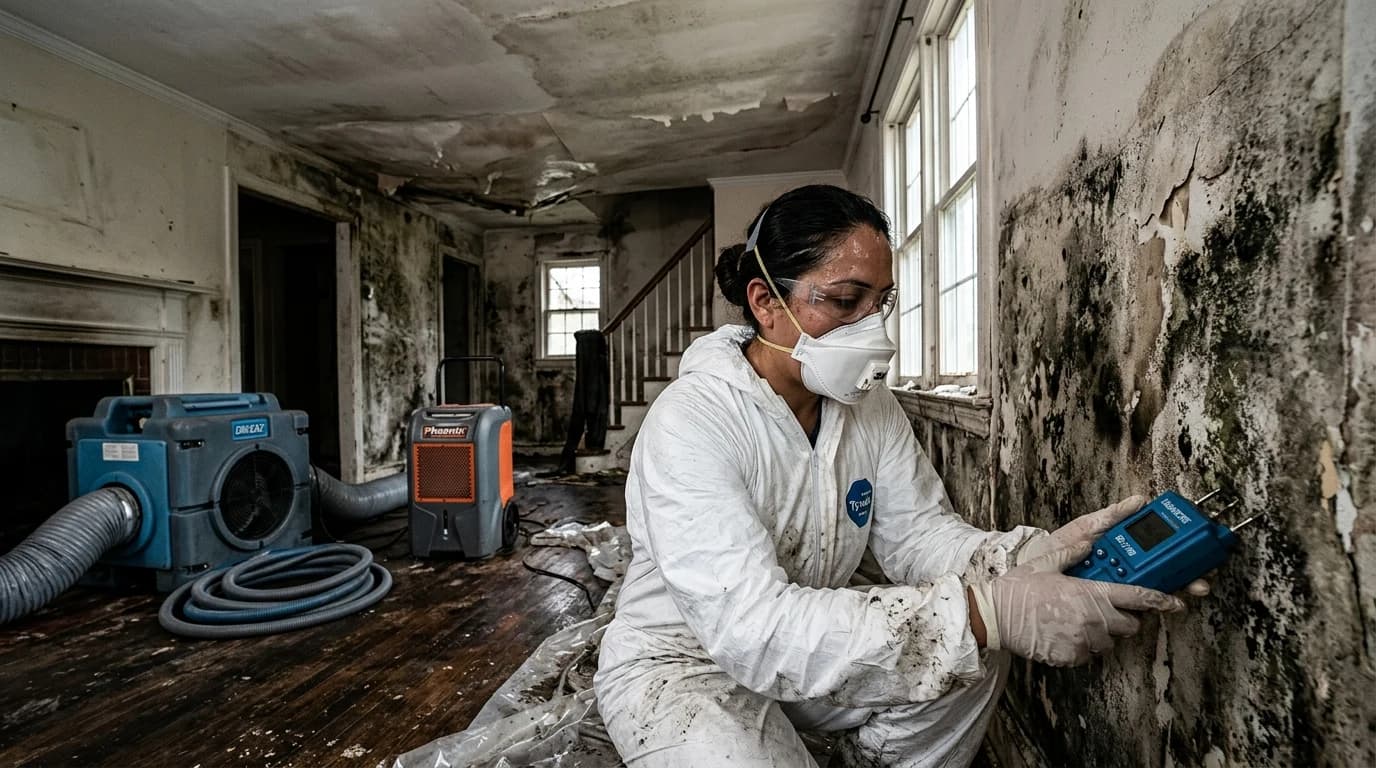
Untreated water damage can compromise the integrity of your home's structure. Over time, exposure to moisture can lead to a series of structural problems that are both costly and dangerous. For instance, water can seep into the foundation, causing cracks and weakening the overall stability of your home. This is particularly concerning in areas like Englewood, NJ, where seasonal changes, such as freezing winters and humid summers, can exacerbate the effects of water damage. In addition to foundational issues, water damage can cause wooden beams and supports to rot, leading to sagging floors and potentially hazardous conditions. Drywall, a common material used in construction, is particularly susceptible to water damage; it can become soft and crumble, losing its ability to support the structure. Ceilings are not immune either; accumulated water can lead to sagging, and in severe cases, collapse. Addressing water damage promptly can prevent these issues, saving homeowners significant time and money in repairs.
Are there any health risks involved?
Prolonged exposure to moisture creates an ideal environment for mold growth, which poses significant health risks. Mold spores can spread rapidly, especially in damp conditions typical of NJ's climate. These spores can cause a range of health problems, from mild allergic reactions like sneezing and skin rashes to severe respiratory issues such as asthma attacks. Individuals with weakened immune systems, children, and the elderly are particularly vulnerable to mold-related health problems. In addition to respiratory issues, some molds produce mycotoxins, which can lead to neurological problems and even long-term health effects if exposure is prolonged. It's crucial for homeowners to recognize the signs of mold growth, such as a musty odor or visible black or green spots on walls and ceilings. Early intervention by a professional restoration service, like those offered through our services, can help mitigate these risks by ensuring thorough removal and remediation of mold, thereby protecting your family's health.
How can it affect property value?
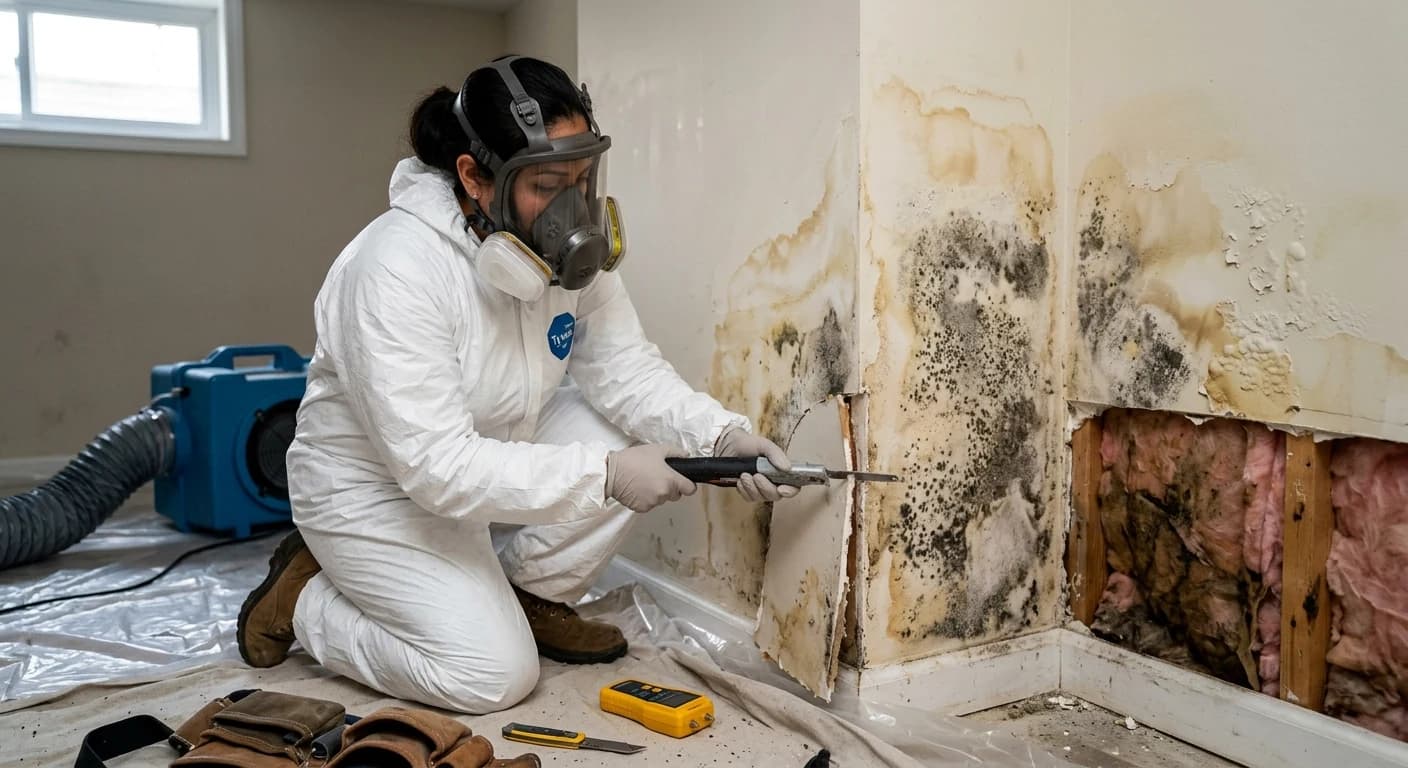
Ignoring water damage can drastically reduce your property’s value, as it signals potential buyers that the home may have underlying issues. In Englewood, where the real estate market is competitive, visible signs of water damage, such as discoloration on walls or a persistent musty smell, can deter prospective buyers and lead to lower offers. Additionally, the presence of mold not only affects the aesthetic appeal of a home but also raises concerns about the safety and habitability of the property. Buyers are often wary of homes with water damage history due to the potential for future problems and the costs associated with repairs and mold remediation. To preserve your property's market value, it's essential to address any water damage immediately. This involves not only repairing the visible damage but also ensuring that the source of the water intrusion is identified and fixed to prevent recurrence. By maintaining your property, you protect its value and ensure a safe living environment for current and future residents.
What are the signs of untreated water damage?
Identifying the signs of untreated water damage early can save you from extensive repairs and health issues. One of the most common indicators is discoloration on walls or ceilings, often appearing as yellowish-brown stains. These spots can signify that water is seeping through, potentially leading to further damage if not addressed. Another sign is the presence of a persistent musty odor, which often indicates mold growth hidden behind walls or under flooring. Warped or buckling floors are also a red flag; wood and laminate flooring can swell and distort when exposed to moisture over time. Additionally, peeling paint or wallpaper can suggest that water is affecting the surface beneath. It's crucial to pay attention to these signs, especially in basements or attics where water damage is more likely to go unnoticed. If you detect any of these symptoms, it's essential to contact a professional water damage restoration service promptly. They can conduct a thorough inspection and provide the necessary repairs to prevent further issues, ensuring your home remains safe and structurally sound.
What steps should you take after discovering water damage?
Upon discovering water damage, taking immediate action is crucial to minimize its impact. First, identify and stop the source of water intrusion, whether it's a leaking pipe, roof damage, or a malfunctioning appliance. Turn off the main water supply if necessary to prevent further damage. Next, remove any standing water using a wet/dry vacuum or mop, and dry the affected area with fans or dehumidifiers to prevent mold growth. It's important to document the damage with photos and notes, which will be helpful for insurance claims. Contact your insurance company as soon as possible to report the damage and understand your coverage options. Engaging a professional water damage restoration service is highly recommended; they have the expertise and equipment to thoroughly dry and repair the affected areas, mitigating any potential health risks from mold and ensuring structural integrity. Finally, consider taking preventive measures to avoid future water damage, such as regular maintenance checks and installing water detection devices in high-risk areas of your home.
Why professional assessment is crucial
Engaging a professional for a thorough assessment after water damage is crucial for several reasons. Experts possess the necessary tools and knowledge to identify the full extent of damage, which is often hidden from plain sight. While you might notice surface-level issues, such as stains or odors, professionals can detect underlying problems like structural weakening or hidden mold growth. They use advanced equipment like moisture meters and infrared cameras to assess areas that are not immediately visible, ensuring no aspect of the damage is overlooked. Additionally, professionals can provide a detailed report of the damage, which is invaluable when filing insurance claims. This documentation supports your claim by providing evidence of the damage and the necessary repairs, potentially speeding up the compensation process. Moreover, experts can recommend the best course of action to not only repair the damage but also prevent future occurrences. By addressing issues such as poor drainage or faulty plumbing, they can help safeguard your property against future water-related incidents. Ultimately, a professional assessment ensures peace of mind, knowing that your home is being restored to a safe and sound condition.
The long-term financial implications of ignoring water damage
Ignoring water damage can have severe long-term financial implications that extend beyond immediate repair costs. Initially, untreated water damage may seem manageable, but over time, it can lead to significant structural issues, such as foundation instability or roof damage, which are costly to repair. The longer the damage is left unaddressed, the more extensive and expensive the repairs become. Additionally, water damage can lead to increased utility bills, as it often results in the need for more heating or cooling due to compromised insulation. Mold growth, a common consequence of untreated water damage, can also necessitate expensive remediation processes. Furthermore, water damage can affect your home insurance premiums. Insurers may increase rates or even refuse coverage if a home has a history of water damage claims, viewing it as a high-risk property. This can lead to higher long-term costs for homeowners. In competitive real estate markets, such as those found in parts of NJ, properties with unresolved water damage issues can suffer from decreased market value, making it difficult to sell or refinance. Addressing water damage promptly not only mitigates these financial risks but also preserves the overall value and safety of your home.